Get Back on the Road With Peace of Mind - Reliable Auto Repair
Quality auto repair supports vehicle safety and performance. A established shop supplies thorough services, from routine checks to necessary fixes. Figuring out when a car needs attention can be overwhelming. Many drivers find it hard to identify trustworthy mechanics. Preventive upkeep is critical for extending a vehicle's lifespan. Yet, the challenges with costs and talking to mechanics can leave one perplexed. What tactics can drivers employ to maintain their vehicles in proper driving shape?
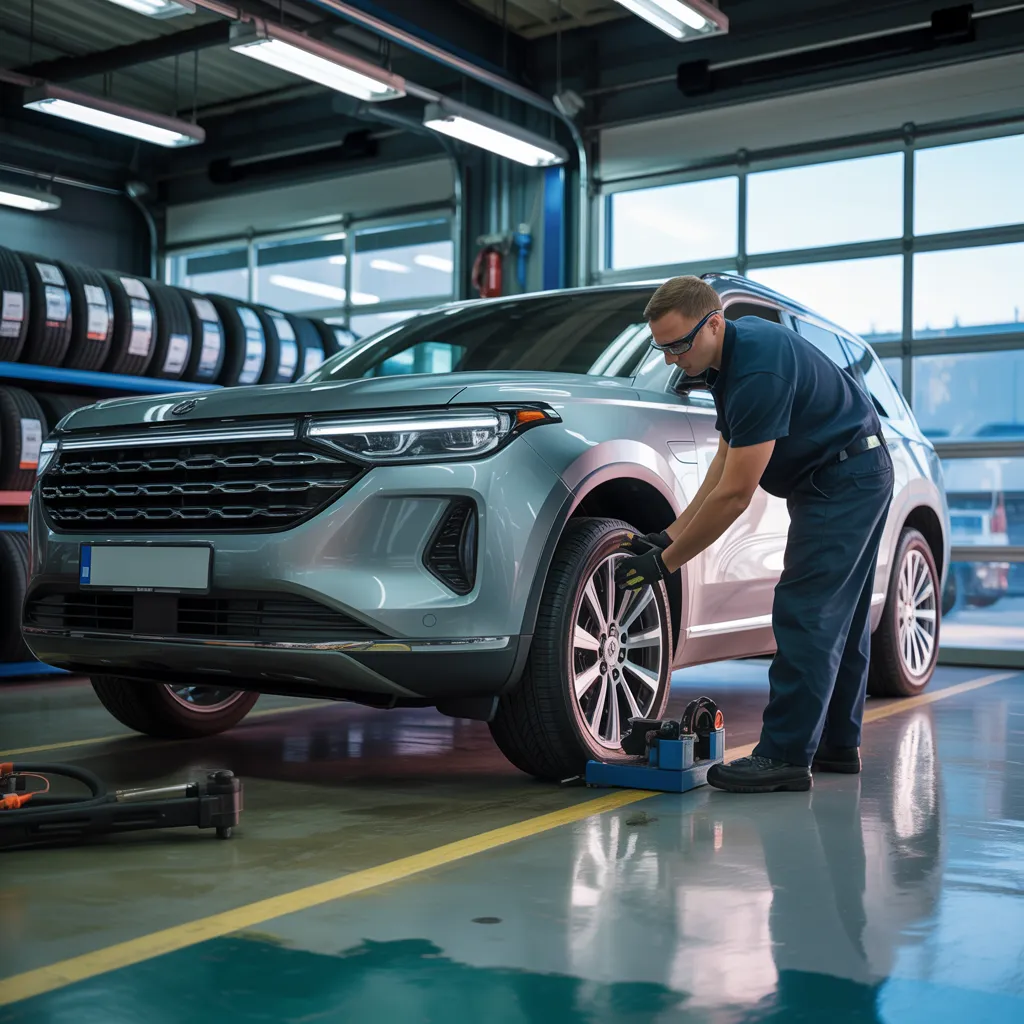
Understanding When Your Car Requires Work
How can one determine when a vehicle needs servicing? There are several key indicators that indicate a need for repair. Unusual noises, such as grinding or squeaking, often point to brake or engine issues. Warning lights on the dashboard, particularly the check engine light, should not be ignored, as they warn of potential problems that require immediate investigation. Additionally, a drop in performance, such as sluggish acceleration or difficulty starting, can also point to underlying mechanical issues.
Visual signs, such as leaking oil or uneven tire wear, are further warnings that upkeep is necessary. If the vehicle pulls toward one direction while driving, this could denote alignment complications or tire problems. Regularly assessing these factors can help verify prompt repairs, preventing greater harm and costs in the future. All things considered, being attentive and proactive is important for maintaining automotive wellness.
How to Identify a Trustworthy Auto Repair Shop
Locating a trustworthy auto repair shop can be a challenging task for car owners. To start, individuals should seek suggestions from friends, relatives, or colleagues. Personal experiences often provide valuable insights into a shop's quality of service. Online reviews and scores on sites like Yelp or Google can also help assess client contentment.
Next, reviewing licenses and partnerships with recognized industry organizations, such as the Automotive Service Excellence (ASE), can show a shop's adherence to industry excellence. It is advisable to visit potential shops for an preliminary discussion, permitting proprietors to examine neatness, efficiency, and client care.
Furthermore, getting documented quotes before any work commences can avoid misunderstandings concerning costs. Finally, a reliable shop should be open about its services and able to explain repairs. By adhering to these steps, vehicle owners can improve their chances of relevant resource finding a reputable auto repair shop.
The Significance of Regular Vehicle Upkeep
While many car owners may ignore regular maintenance, regular vehicle maintenance is crucial for guaranteeing a car's longevity and optimal functionality. Skipping upkeep can lead to a cascade of issues, from small hassles to major failures. Regular inspections, such as oil changes, tire turns, and brake inspections, can prevent costly repairs and enhance safety on the road.
Moreover, regular maintenance helps preserve a vehicle's fuel efficiency, lowering overall operating costs. It also maintains the selling price; a properly serviced car is often more appealing to potential customers.
Committing to regular upkeep cultivates a sense of responsibility among owners, encouraging them to stay current about their vehicle's needs. By emphasizing maintenance, vehicle owners not only protect their investment but also add to collective safety on roads. Ultimately, consistent vehicle care is a proactive approach that helps both the owner and the larger community.
Learning About Restoration Costs
Understanding maintenance expenses can often be confusing for car owners. Various factors contribute to these costs, including labor rates, component costs, and the intricacy of the repair itself. Labor costs vary widely by region and shop, often demonstrating the technician's experience and the shop's overhead. In addition, the type of parts used—whether original equipment manufacturer (OEM) or aftermarket—can greatly affect the final bill.
Vehicle years and type also factor in; vintage or rare models may require specialized parts that are more expensive and harder to source. Moreover, unexpected issues can arise during maintenance work, causing additional costs that were not originally expected. By gaining a basic understanding of these elements, vehicle owners can address repair assessments with more certainty and take knowledgeable choices regarding their automotive needs.
How to Thoroughly Outline Car Issues to Your Mechanic
Effectively communicating car issues to a technician can greatly enhance the diagnosis and fixing process. When describing issues, car owners should be detailed about symptoms, such as unusual noises, vibrations, or alert indicators. Providing details on when the problem occurs—whether during speeding up, stopping, or idling—can also help the technician pinpoint the problem.
It is important to identify any latest changes in driving conduct or maintenance history. Utilizing clear, straightforward language avoids ambiguity, allowing the service technician to understand the problem better. Vehicle operators should abstain from using industry terminology unless they are assured in its meaning.
Furthermore, submitting documentation, such as service records or previous repair invoices, can supply context. A precise account not only helps with swift diagnosis but also builds a mutual partnership between the car owner and the mechanic, ultimately producing effective repairs.
Developing a Long-Lasting Association With Your Auto Repair Shop
Creating a enduring relationship with an auto repair shop depends on trust and openness. Regular quality service reinforces this connection, while open communication channels ensure that clients sense appreciated and acknowledged. In combination, these components create a partnership that serves both the client and the mechanic.
Develop Confidence Through Clarity
When customers feel well-informed about the work their vehicles required, faith naturally forms between them and their auto repair shop. Transparency in communication is necessary; it enables clients to understand the reasoning behind recommended repairs and maintenance. Auto repair shops that provide comprehensive explanations, transparent estimates, and open conversations create a sense of security among their clientele. This openness not only simplifies the repair process but also empowers clients to make well-informed decisions. Moreover, sharing information about the shop’s qualifications, warranties, and service history strengthens credibility. By emphasizing transparency, auto repair shops can foster lasting relationships, encouraging customer retention and loyalty. Ultimately, trust through transparency sets the stage for a more fulfilling and dependable auto repair experience.
Consistent Quality Service
Consistent quality service is the basis of a lasting relationship between customers and their auto repair shop. When customers get trustworthy and responsive repairs, they are more likely to come back for future maintenance. This trustworthiness cultivates trust, allowing customers to have confidence in the competence of the technicians. Over time, as customers see the same high standards being upheld, a sense of loyalty develops. Quality checks carried out regularly and adherence to industry standards guarantee that vehicles are not only restored but also kept in good condition to forestall subsequent problems. Such dedication to excellence creates an atmosphere where customers feel valued, knowing their vehicles are in competent hands. Ultimately, this pledge to consistent quality service strengthens the bond between auto repair shops and their clientele.
Open Dialogue Channels
Effective communication serves as an crucial bridge between customers and their auto repair shops, improving trust and understanding. Transparent communication channels foster a collaborative environment where clients feel valued and informed. When repair shops offer detailed explanations concerning offerings, costs, and timelines, clients can make better choices about their cars. Regular notifications during repairs can reduce anxiety and establish trust in the shop's knowledge. Similarly, clients who express their concerns and needs add to a more tailored service. This two-way conversation not only strengthens relationships but also encourages dedication. By emphasizing transparent dialogue, auto repair shops can establish a reputation for reliability, ensuring that clients return for future needs, assured in the work they will receive.
Frequently Answered Questions
What Can I Do if My Car Malfunctions Suddenly?
If a vehicle stops working suddenly, the driver should safely pull over, turn on hazard lights, examine the situation, and call for roadside assistance or a tow service if needed. Keeping your composure is essential.
How Can I Identify if a Mechanic Is Trustworthy?
To determine a mechanic's trustworthiness, one should check reviews, seek recommendations, assess credentials, and observe transparency in pricing. A reliable mechanic will communicate clearly and provide detailed explanations of essential maintenance and offerings.
Can you get warranties for auto repair services?
Many auto repair shops provide coverage on their work and components, typically ranging from 90 days to several years. Customers should ask regarding specific details and requirements to guarantee adequate protection for their repairs.
What Gear Should I Keep in My Car for Emergencies?
A properly equipped vehicle should contain a spare tire, jack, jumper cables, flashlight, first aid kit, standard tools, and tire pressure gauge. These essential items help ensure safety and resolve minor issues during unexpected emergencies on the road.
What Steps Should I Take to Prepare My Car for Seasonal Changes?
To make set a car for seasonal changes, one should verify fluid levels, check tires for wear and inflation, check the power source, replace wipers, and make sure lights function properly for optimal safety and efficiency.